
 Alexander Sterling
By Alexander Sterling | Editor-in-Chief, MAXIM Fashion
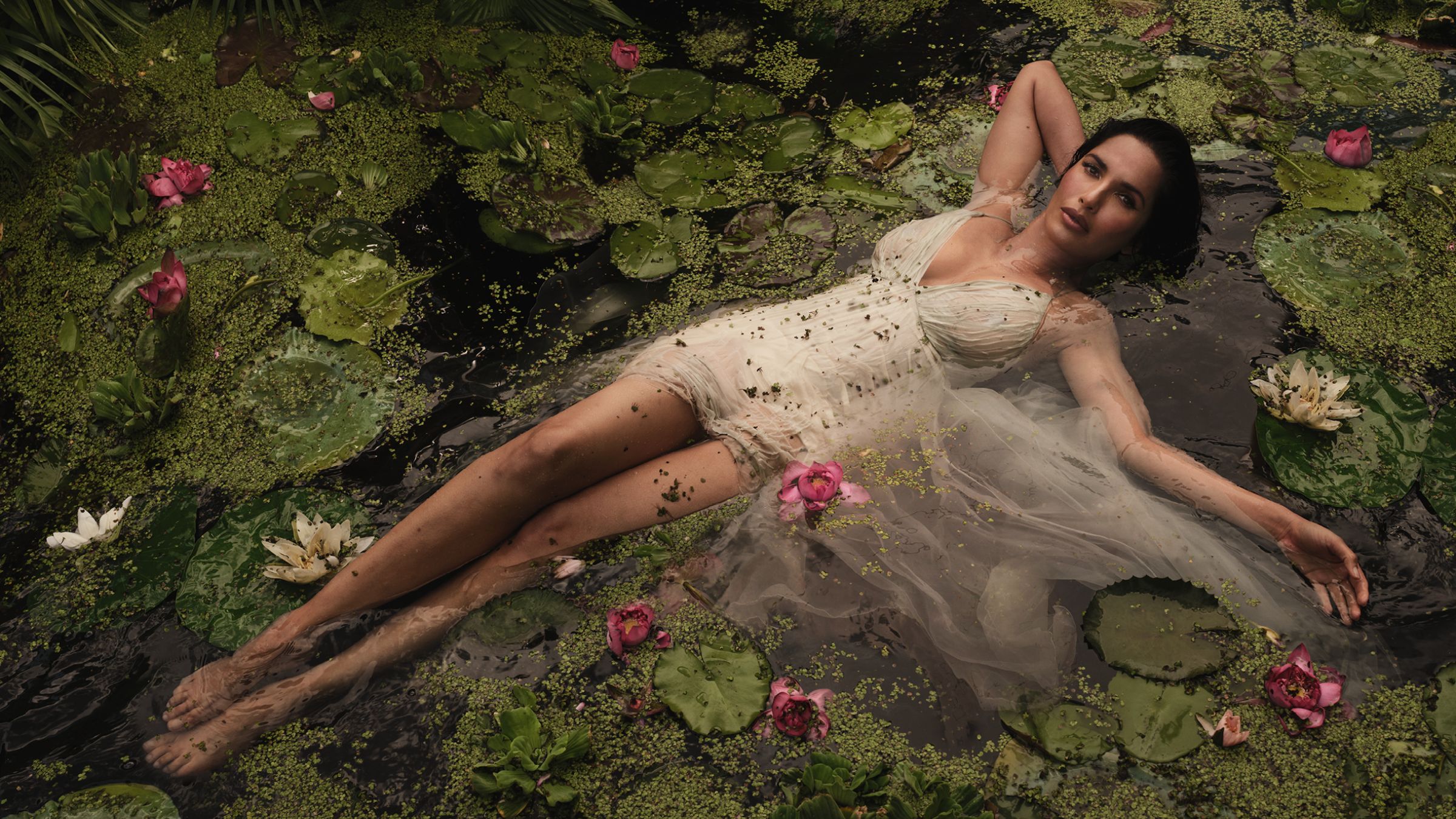
The world of fashion photography has a new visual conversation to discover, and this time, its focus is India. The unveiling of the 2027 Pirelli Calendar in New Delhi on October 23, 2026, marks a significant moment for the internationally celebrated project, bringing together distinguished personalities, artistic photography, and a country whose cultural identity continues to inspire the global creative industry. Featuring Padma Lakshmi, Freida Pinto, Aditi Rao Hydari, Anoushka Shankar, Rupi Kaur, Lakshmi Menon, Bhavitha Mandava, Avantika Vandanapu, and photographer Avani Rai, the latest edition places Indian talent and cultural expression at the heart of an internationally recognised photographic tradition. <Cite refs={[“turn399169search0″,”turn399169search1”]}/>
More than a collection of striking portraits, the 2027 calendar explores the relationship between identity, memory, heritage, and contemporary life. Its significance lies not simply in the names appearing before the camera, but in the different perspectives that shape the project.
India Through a Different Lens
Since its introduction in 1964, the Pirelli Calendar, often known as The Cal, has developed into one of the most recognisable projects in fashion photography. Traditionally distributed to a select audience rather than sold through ordinary retail channels, it has earned attention for its artistic direction, influential photographers, and distinctive visual storytelling. <Cite refs={[“turn399169search3″,”turn399169search11”]}/>
The 2027 edition takes a particularly meaningful direction by focusing on India and its extraordinary diversity. Rather than attempting to present the country through a single image or simplified cultural narrative, the project explores different expressions of Indian identity through individuals, landscapes, architecture, and everyday life.
This approach allows the calendar to move beyond conventional glamour photography. Its visual language connects fashion with a wider cultural story, recognising that beauty can exist in a carefully composed portrait just as powerfully as it can in a crowded street, a historic structure, or a moment of human connection.
India’s cultural richness provides a compelling foundation for this exploration. Ancient architectural settings exist alongside rapidly changing cities, while long-established artistic traditions continue to influence new generations of musicians, writers, performers, designers, and photographers.
For an international audience, the project offers an invitation to look closer and appreciate the many perspectives that contribute to India’s evolving cultural identity.
A Distinguished Cast of Women
At the centre of the calendar is an accomplished group of women whose careers span film, television, fashion, literature, music, and photography.
Padma Lakshmi brings an established presence shaped by her work as an author, television personality, producer, and advocate for food and cultural storytelling. Her career has crossed traditional entertainment boundaries, demonstrating how a public figure can develop a multifaceted professional identity.
Freida Pinto, internationally recognised for her performance in Slumdog Millionaire, represents another dimension of the contemporary entertainment landscape. Her work across film and international projects has helped establish her as a recognisable figure in global cinema.
The lineup also features Aditi Rao Hydari and Avantika Vandanapu, whose acting careers connect different audiences and generations. Their inclusion highlights the growing international visibility of Indian performers and the expanding possibilities for talent working across film industries.
Elsewhere, musician and composer Anoushka Shankar brings the world of music into the calendar’s artistic conversation, while poet and performer Rupi Kaur represents the influence of contemporary literature and spoken-word expression. Models Lakshmi Menon and Bhavitha Mandava contribute their own perspectives from the fashion industry.
Avani Rai occupies a particularly distinctive position in the project, working behind the camera while also appearing in photographs by Norwegian photographer Sølve Sundsbø. Together, these women represent a broad range of creative disciplines rather than a single definition of celebrity or beauty. <Cite refs={[“turn399169search1″,”turn399169search4”]}/>
The Creative Vision Behind the Calendar
The 2027 edition brings together the perspectives of Sølve Sundsbø and the late Indian photographer Raghu Rai, with Avani Rai continuing her father’s contribution following his death in April 2026.
Raghu Rai spent decades documenting India, capturing its people, streets, cultural traditions, and transformations through photography. His work on the calendar was intended to connect his longstanding vision of the country with contemporary life. After his passing, Avani Rai took on the responsibility of bringing his contribution to completion, drawing on his photographs and continuing the project in a deeply personal way. <Cite refs={[“turn399169search3″,”turn399169search5”]}/>
This element gives the calendar an emotional dimension that extends beyond its fashion credentials. Photography becomes a means of preserving a creative legacy while allowing a new generation to interpret and develop it.
Avani Rai’s involvement represents both continuity and independence. Her work honours the visual language and dedication that shaped her father’s career while reflecting her own understanding of the country around her.
Sundsbø, meanwhile, contributes an approach informed by fashion photography, portraiture, and visual experimentation. His work with the calendar’s featured women creates a complementary perspective, focusing on individual personalities rather than asking any one person to represent an entire nation. <Cite refs={[“turn399169search1″,”turn399169search12”]}/>
The combination creates a dialogue between different photographic approaches, generations, and ways of seeing.
Fashion, Heritage and Contemporary Identity
One of the calendar’s most compelling qualities is its relationship with place. Historic architecture, regional landscapes, urban environments, and contemporary cultural life contribute to a visual experience that extends beyond the studio.
India’s visual identity is remarkably varied. The colours of traditional craftsmanship, the textures of historic buildings, the energy of busy markets, and the scale of modern cityscapes offer photographers an expansive creative vocabulary.
In fashion photography, these surroundings can influence how a subject is understood. Clothing, posture, light, architecture, and landscape work together to create an image that communicates more than appearance alone.
The 2027 calendar uses this relationship between people and place to explore individuality within a larger cultural setting. Rather than reducing India to a familiar collection of symbols, the project brings different environments and personalities into focus, allowing each image to tell its own story.
For the fashion industry, this perspective reflects a broader interest in cultural specificity and creative authenticity. Audiences are increasingly drawn to imagery that feels distinctive, thoughtful, and connected to a meaningful context.
Why the Calendar Matters Today
In an era dominated by rapid digital content and constantly changing trends, a project built around considered photography offers a different experience. Each image encourages the viewer to pause, observe details, and engage with the photographer’s interpretation.
The Pirelli Calendar has long occupied a distinctive position between fashion, art, and celebrity culture. Its influence comes partly from the photographers and personalities involved, but also from its ability to explore different ideas of beauty across successive editions.
The 2027 edition adds another dimension by bringing India’s cultural landscape into this tradition and placing its creative talent at the centre of the narrative.
It also demonstrates the importance of collaboration across disciplines. Photography, performance, music, literature, and fashion can each contribute a different perspective to a shared creative project. When these perspectives come together, the result can reach audiences beyond the boundaries of any single industry.
For emerging artists and established names alike, the calendar reinforces the value of a recognisable creative identity and a willingness to explore new forms of expression.
A Lasting Portrait of India
The 2027 Pirelli Calendar stands as a celebration of creative individuality, cultural memory, and the evolving relationship between fashion and photography. Its distinguished cast brings together women from different professional backgrounds, while its photographers approach India through contrasting yet complementary perspectives.
The continuation of Raghu Rai’s work by his daughter Avani gives the project a particularly personal significance, transforming the calendar into a conversation between generations as well as an exploration of contemporary culture.
Ultimately, the edition’s strength lies in its refusal to offer a single definition of India or beauty. Instead, it presents a series of encounters shaped by people, places, histories, and individual perspectives.
For MAXIM Fashion, this is what makes the project worthy of attention: the recognition that powerful imagery does more than capture a moment. It preserves a feeling, communicates an identity, and invites the world to see familiar subjects in a new light.
As the 2027 Pirelli Calendar enters the international conversation, it offers a reminder that fashion photography can be both visually captivating and culturally meaningful. In bringing India’s creative voices and photographic heritage into focus, it creates a portrait of a country that is never standing still, continually balancing its past with its possibilities for the future.