 Alexander Sterling
By Alexander Sterling | Editor-in-Chief, MAXIM Fashion
Entertainment has always been a reflection of the world around us. From the magic of cinema and the energy of live music to the glamour of celebrity culture, entertainment shapes conversations, influences fashion, and creates experiences that bring people together. Today, however, the industry is experiencing a transformation unlike any other. Digital platforms, global audiences, independent creators, and evolving audience expectations are changing how stories are created, shared, and remembered.
The modern entertainment landscape is no longer defined exclusively by Hollywood studios, major record labels, or traditional television networks. Instead, it has become an expansive world where creativity can emerge from anywhere, talent can reach international audiences, and a single performance can become a cultural moment overnight.
For a new generation of artists, performers, filmmakers, musicians, and digital personalities, this shift represents an extraordinary opportunity to build meaningful careers while redefining what success looks like.
A Global Stage Without Borders
One of the most significant developments in contemporary entertainment is the growing influence of international talent. Audiences are increasingly discovering films, music, fashion, and performances from cultures beyond their own. Stories that once struggled to find international distribution can now reach millions of viewers through streaming platforms and digital communities.
Cinema from India, music from South Korea, European independent filmmaking, African musical movements, and emerging creative scenes across the Middle East are contributing to a more diverse global entertainment culture. These industries are not simply participating in the international conversation; they are actively shaping it.
This cultural exchange has expanded the definition of mainstream entertainment. Viewers are exploring unfamiliar languages, musical styles, traditions, and perspectives, often developing a deeper appreciation for stories that feel authentic and distinctive.
For performers and creators, international visibility is no longer an unrealistic ambition reserved for those with access to major production companies. With compelling work, strategic distribution, and an understanding of digital audiences, emerging talent can establish a presence across multiple markets.
The result is an entertainment industry that is increasingly interconnected, competitive, and creatively diverse.
Streaming Has Changed the Game
The rise of streaming has fundamentally altered the relationship between audiences and entertainment. Viewers now expect flexibility, accessibility, and a wide range of choices. Films, documentaries, television series, concert recordings, and original productions are available across devices, allowing audiences to decide what they watch and when they watch it.
This change has also created opportunities for unconventional storytelling. Projects that might once have struggled to secure traditional distribution can find audiences through digital platforms. Documentaries can introduce overlooked subjects to international viewers, while independent filmmakers can experiment with formats and narratives that challenge established conventions.
For the industry, this new environment brings both opportunity and responsibility. More content means more competition for attention. Creators must develop distinctive ideas, memorable performances, and compelling narratives that give audiences a reason to return.
The most successful entertainment experiences are rarely built on visibility alone. They create emotional connections, encourage discussion, and leave a lasting impression long after the screen goes dark.
Social Media and the New Celebrity Culture
Celebrity culture has also entered a new chapter. Social media platforms have transformed how public figures communicate with audiences, allowing actors, musicians, models, and creators to share their personalities beyond their professional work.
Behind-the-scenes moments, personal reflections, creative processes, and everyday experiences can help audiences feel connected to the people they admire. This direct relationship has changed the traditional celebrity model, where public appearances and carefully managed interviews once dominated the conversation.
For emerging talent, social media can serve as a powerful introduction to the world. A performance clip, original song, creative collaboration, or memorable visual concept can attract attention from fans, industry professionals, and potential collaborators.
However, constant visibility also presents challenges. The pressure to remain relevant can encourage creators to prioritize short-term attention over meaningful development. Maintaining privacy, protecting creative integrity, and establishing a sustainable relationship with audiences have become increasingly important.
In an environment where trends move quickly, authenticity remains a valuable distinction. Audiences may discover someone through a viral moment, but lasting interest often develops through consistency, personality, and genuine creative ability.
The Rise of the Multi-Talented Artist
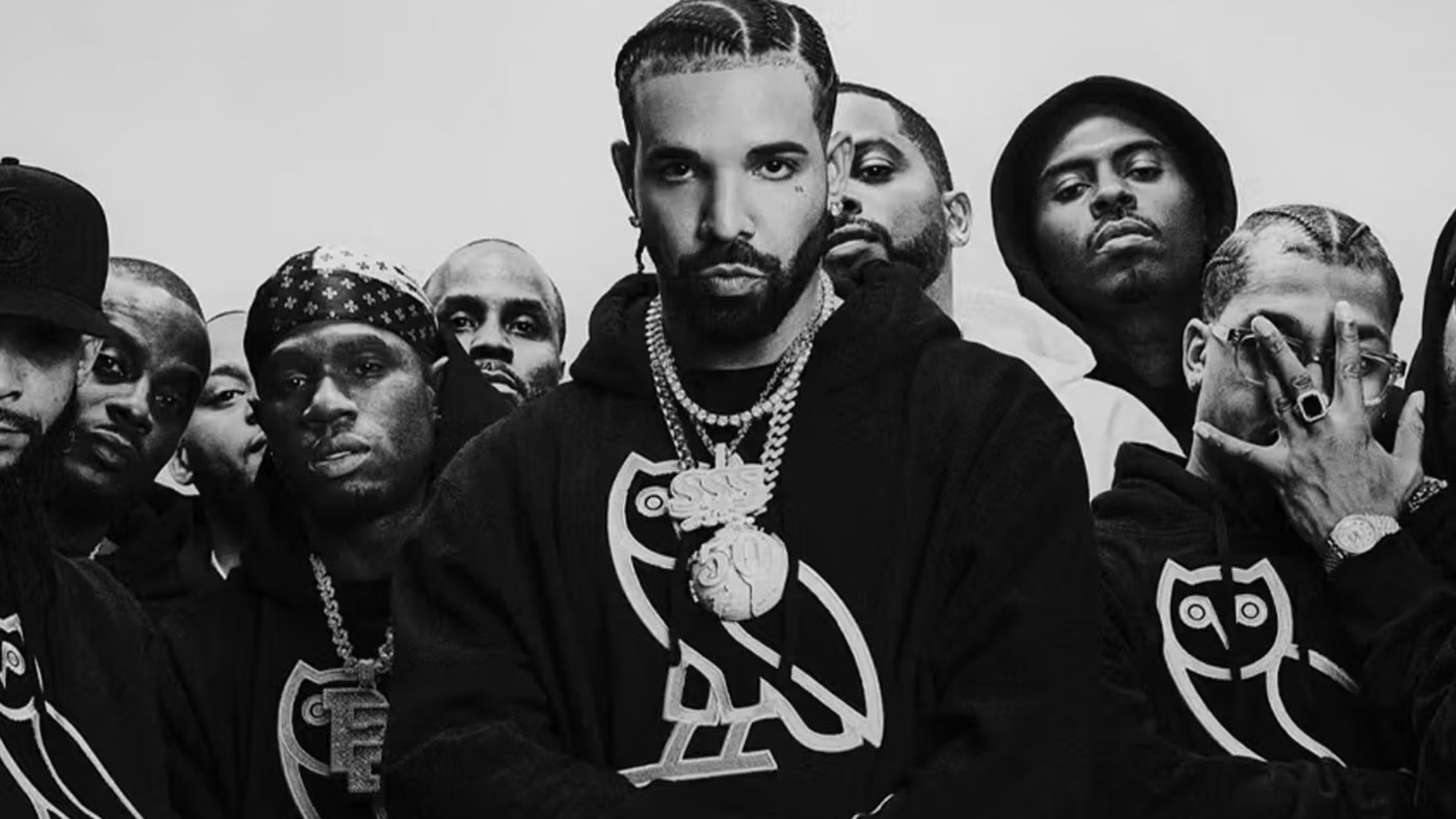
The boundaries between entertainment disciplines are becoming increasingly flexible. Actors are launching fashion brands, musicians are exploring filmmaking, models are developing businesses, and digital creators are moving into television, publishing, and music production.
This multi-disciplinary approach reflects a broader shift in how creative careers are built. Rather than following a single professional path, many artists are exploring different ways to express themselves and connect with audiences.
Fashion, in particular, has become closely connected to entertainment. Red-carpet appearances, music videos, film premieres, editorial photography, and performance styling help establish visual identities that audiences immediately recognize. Clothing becomes more than an aesthetic choice; it can communicate personality, artistic direction, and cultural influence.
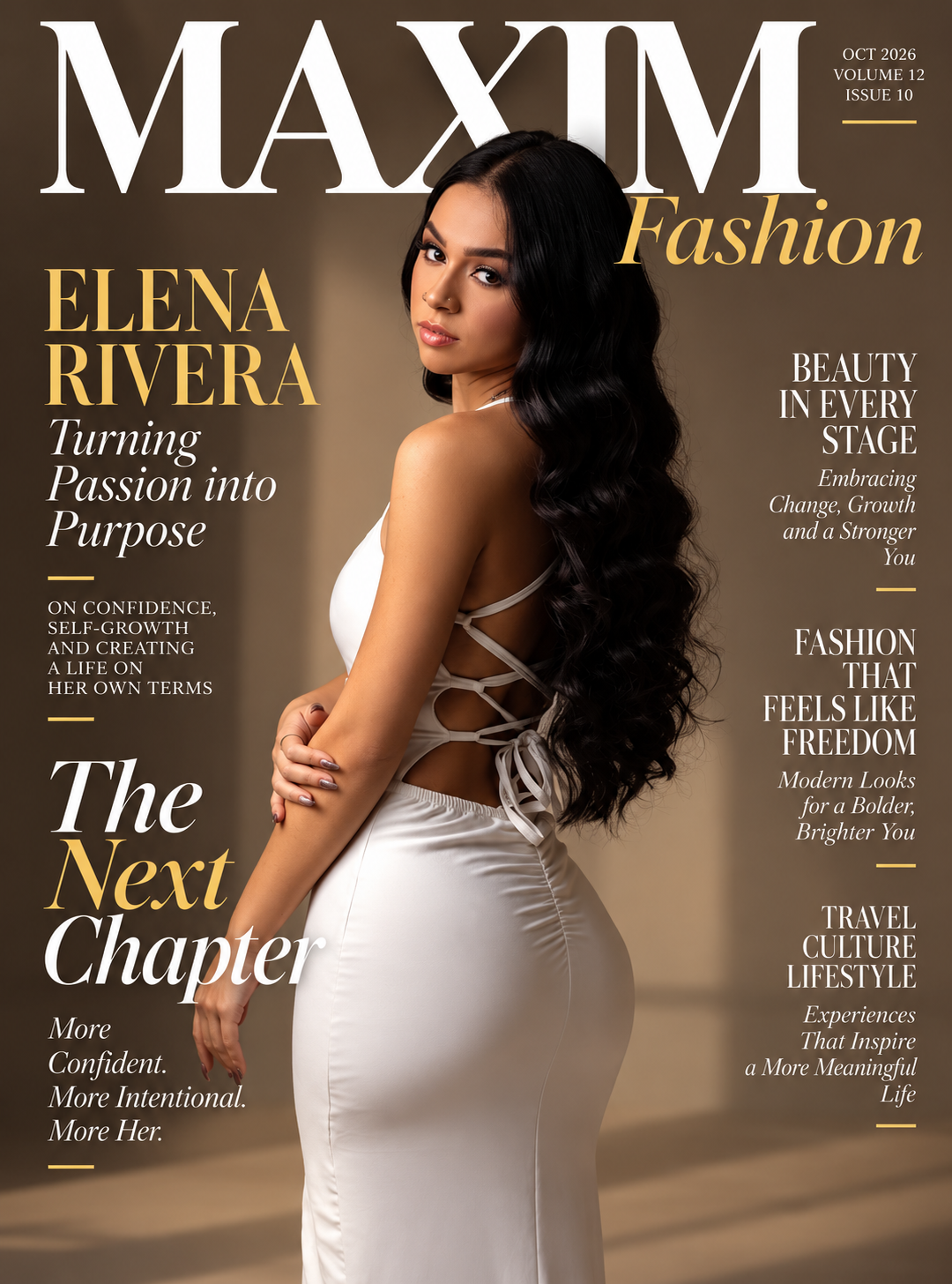
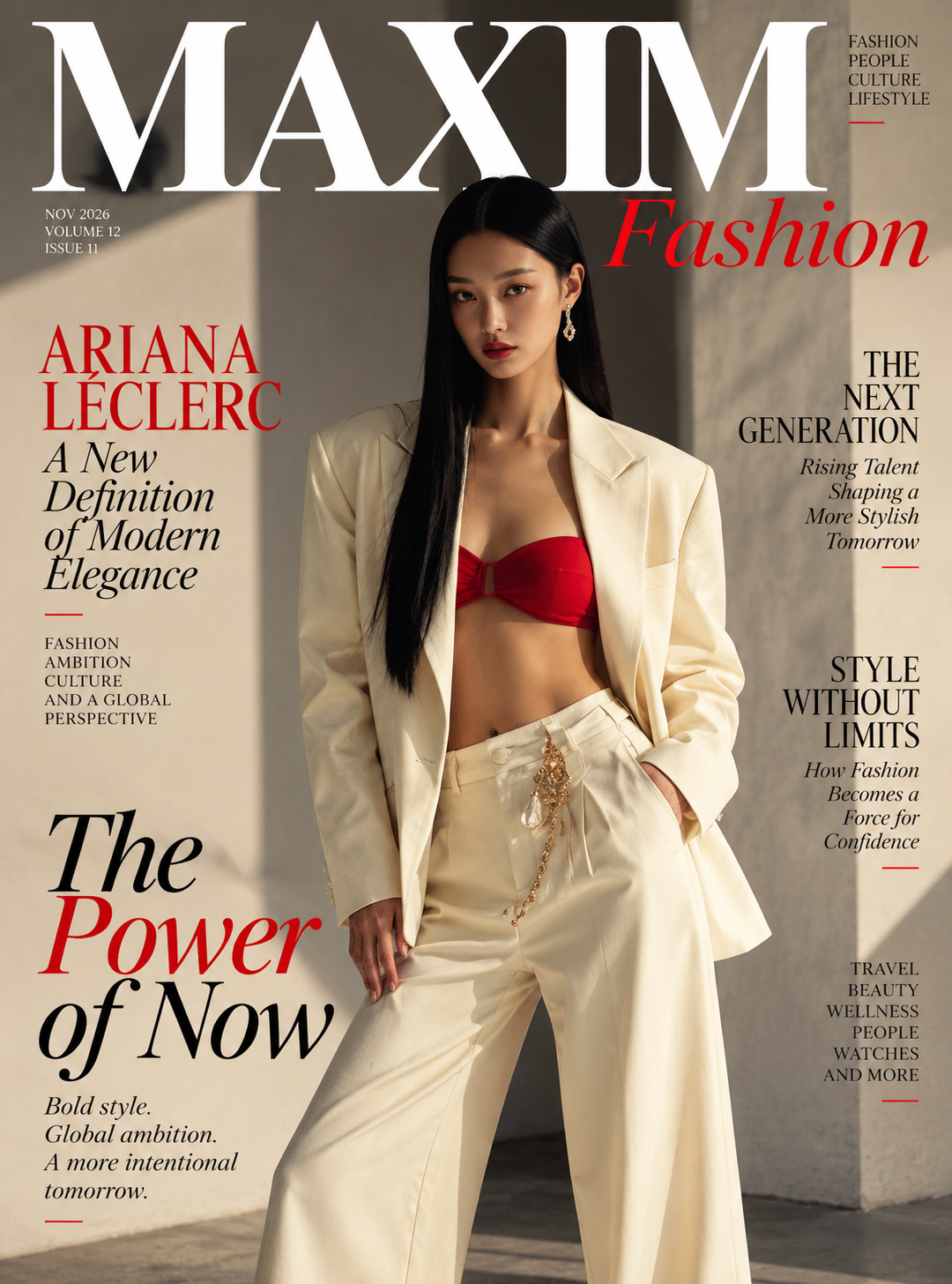
For publications such as MAXIM Fashion, this intersection provides a rich editorial landscape. The most interesting personalities are often those who combine talent with a distinctive perspective, demonstrating how personal style and creative ambition can work together.
Yet versatility is most effective when it grows from a clear creative identity. Exploring multiple opportunities can strengthen a career, but meaningful achievements still depend on commitment, skill, and the willingness to evolve.
Entertainment With a Purpose
Beyond commercial success and public recognition, entertainment has the ability to influence social conversations. Films can bring attention to overlooked experiences, music can express collective emotions, and public figures can use their visibility to support causes that matter to them.
Across the industry, audiences are increasingly interested in the values and perspectives behind the work they consume. Questions surrounding representation, mental health, sustainability, inclusion, and responsible storytelling have become part of wider cultural discussions.
Purpose does not need to replace entertainment’s primary role of engaging audiences. Instead, thoughtful storytelling can combine emotional impact with meaningful ideas, creating experiences that remain relevant beyond their immediate release.
The strongest creative projects often succeed because they understand people. They explore ambition, vulnerability, identity, relationships, conflict, and hope in ways that feel recognizable across different backgrounds.
When entertainment captures these shared experiences, it becomes more than a passing distraction. It becomes a means of understanding ourselves and the world around us.
What the Future Holds
Technology will continue to reshape entertainment, from immersive experiences and virtual performances to new production tools and emerging forms of digital storytelling. Artificial intelligence is also introducing new possibilities for creative development, editing, visual effects, and audience engagement, while raising important questions about originality, ownership, and the role of human creativity.
As these technologies develop, the industry’s greatest advantage will remain its ability to tell stories that people care about. Innovation can expand what creators are able to produce, but emotional connection, imagination, and distinctive artistic vision will continue to give entertainment its lasting value.
The next generation of influential artists may come from established entertainment capitals or unexpected creative communities. Their paths may involve traditional studios, independent projects, online platforms, or collaborations that cross several industries.
What will distinguish them is not simply their ability to attract attention, but their capacity to create something memorable.
The Power of the Next Generation
Entertainment is entering an era defined by wider access, international collaboration, and new creative possibilities. The traditional barriers separating performers from audiences, local talent from global recognition, and one artistic discipline from another continue to evolve.
For emerging creators, the opportunity is clear: develop a distinctive voice, remain committed to the craft, and use new platforms to share work with the world. For audiences, the reward is an increasingly diverse range of stories, sounds, personalities, and experiences.
Ultimately, entertainment has always been about more than fame. It is about the people who dare to imagine something different, the stories that move us, and the performances that stay with us long after the final scene.
As the industry continues to evolve, one principle remains unchanged: the most enduring entertainment does not simply capture attention. It creates a connection.
Alexander Sterling is a fictional editorial persona created for MAXIM Fashion.