 Alexander Sterling
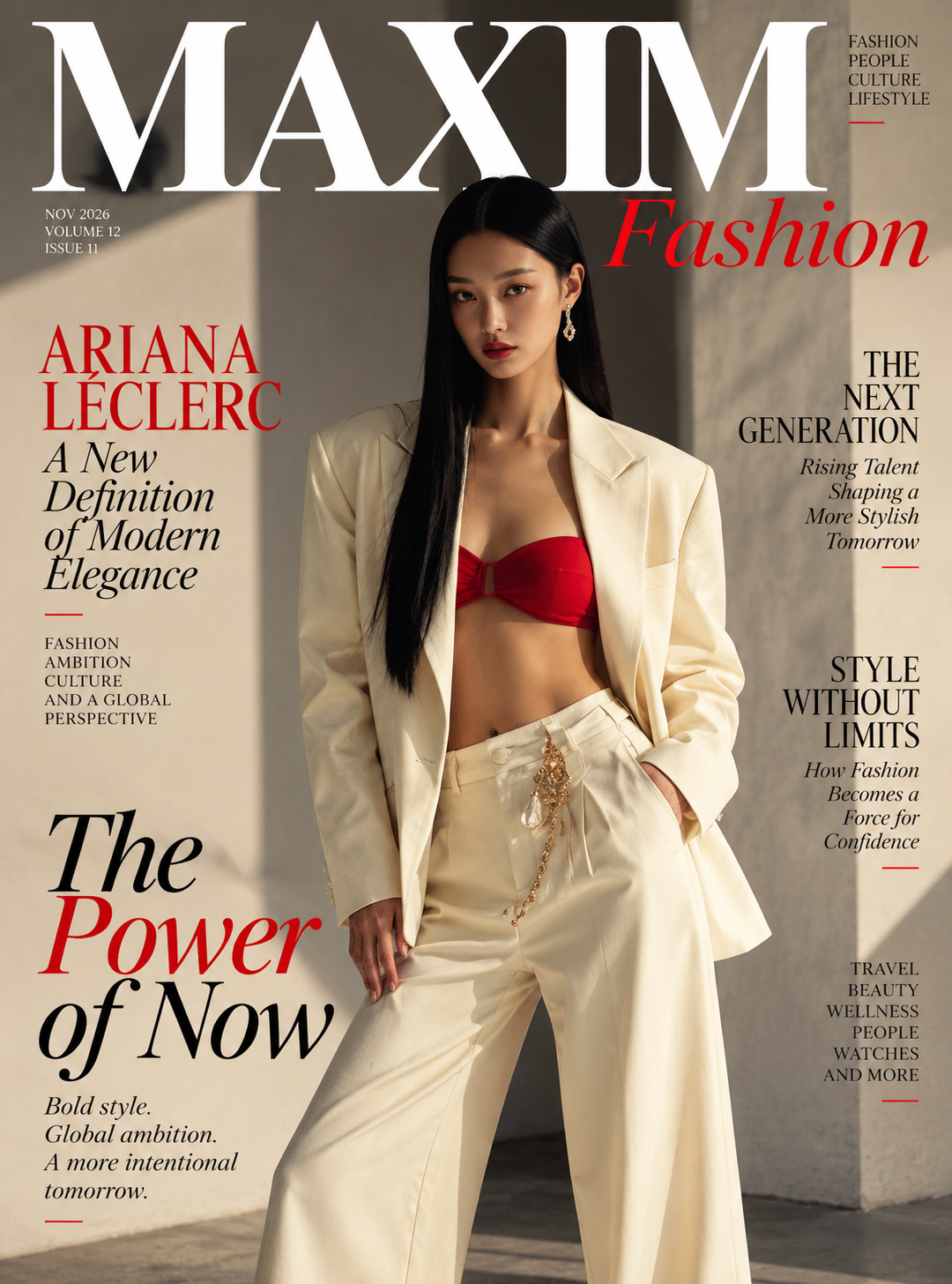
MAXIM Fashion | November 2026 Special Edition
By Alexander Sterling | Editor-in-Chief, MAXIM Fashion
Fashion has always been about more than clothing. At its most compelling, it becomes a language through which individuals communicate confidence, personality, ambition, and a sense of identity. Some styles follow the moment, while others create a lasting impression through simplicity, intention, and an unmistakable point of view. For Seraphina Lynn, the fictional muse of this MAXIM Fashion Special Edition, modern elegance represents precisely that balance: the freedom to express individuality while remaining connected to the timeless principles of sophistication.
In an era when trends emerge and disappear at extraordinary speed, the idea of personal style has taken on a different meaning. The most memorable fashion statements are no longer necessarily the loudest or most extravagant. Instead, they often come from individuals who understand what works for them, appreciate the details, and approach their appearance with a sense of purpose.
Seraphina Lynn embodies this editorial vision. Through a combination of contemporary tailoring, confident styling, and understated glamour, her story explores how fashion can become an expression of self-assurance rather than an attempt to satisfy outside expectations.
The Power of a Distinctive Style
Modern fashion exists in a constant conversation between tradition and experimentation. Classic silhouettes continue to influence contemporary designers, while new materials, unexpected colour combinations, and changing cultural attitudes introduce fresh possibilities. Within this environment, developing a distinctive personal style requires more than following a collection of seasonal recommendations.
It requires an understanding of individuality.
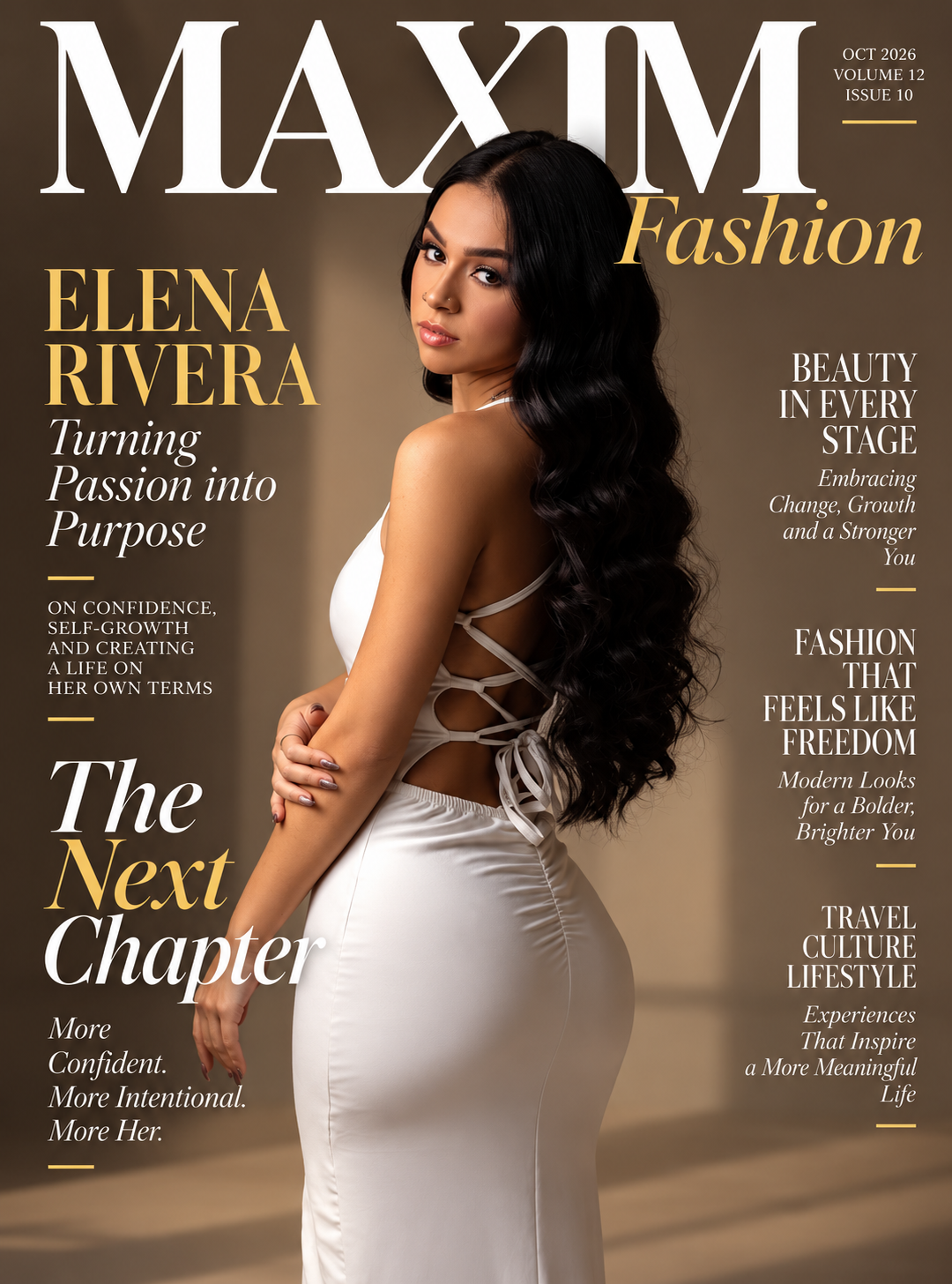
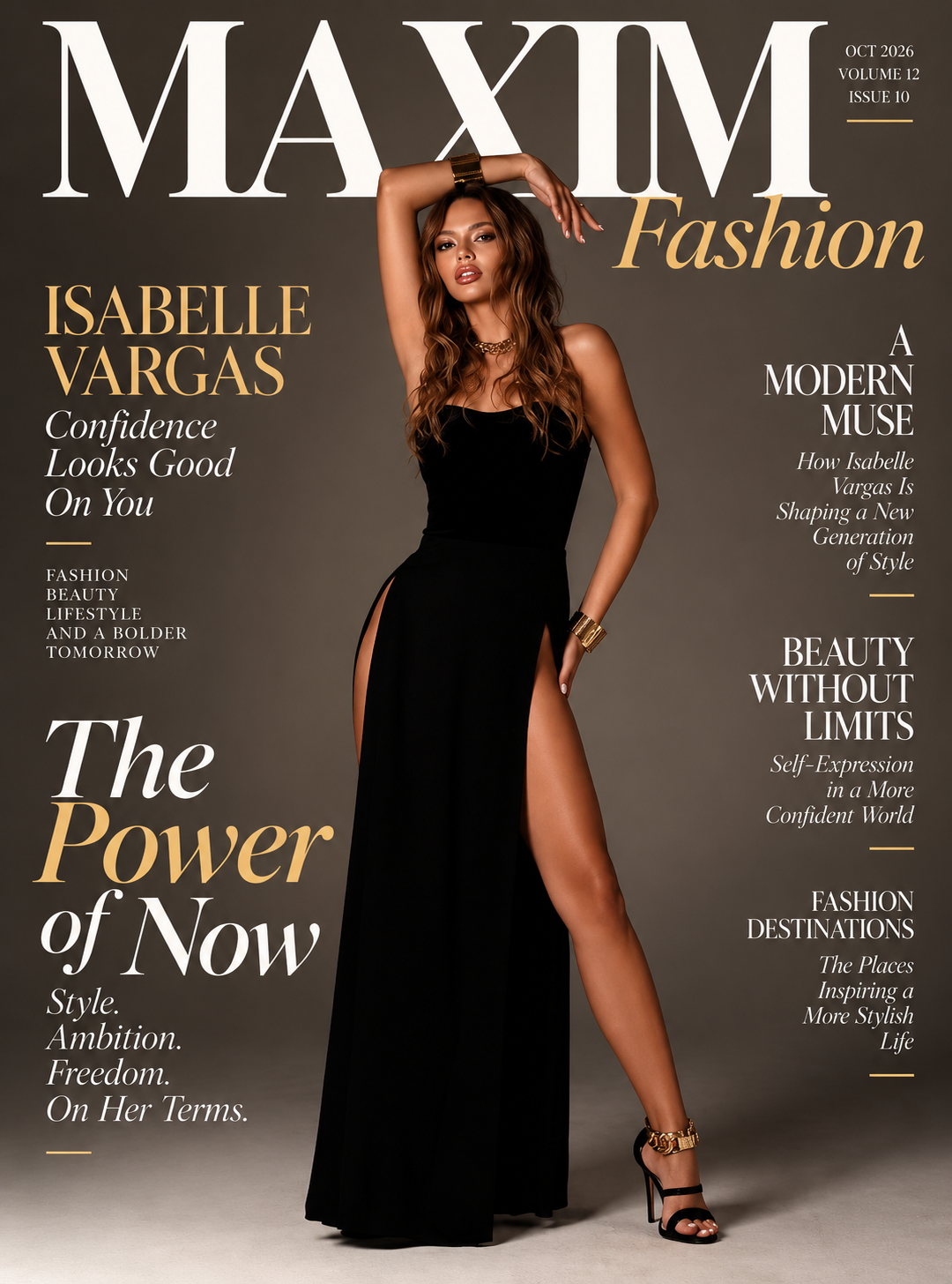
The visual direction of Seraphina’s MAXIM Fashion cover captures this principle through a carefully considered combination of ivory tailoring, striking red accents, and minimal accessories. The contrast creates a look that feels sophisticated without becoming predictable. The structured suit introduces a sense of authority, while the vibrant colour adds energy and personality.
There is a particular confidence in choosing pieces that allow the wearer to remain at the centre of the visual narrative. Rather than relying on excessive ornamentation, this approach allows proportion, texture, colour, and attitude to establish the overall impression.
It is a reminder that great style is not necessarily about owning more. It is about understanding how individual elements work together to communicate something meaningful.
Modern Luxury Is About Intention
Luxury has undergone a significant transformation in recent years. Although traditional symbols of status continue to influence fashion, contemporary interpretations increasingly emphasise quality, versatility, craftsmanship, and personal meaning.
The modern luxury wardrobe is not simply a collection of expensive pieces. It is an investment in items that can be worn with confidence across different settings and occasions. A beautifully constructed blazer, a well-fitted pair of trousers, elegant footwear, and thoughtfully chosen accessories can create a stronger impression than an outfit dominated by recognisable logos.
This philosophy places greater importance on intention.
When clothing is selected carefully, each piece contributes to a coherent visual identity. Neutral colours offer flexibility, tailored silhouettes introduce structure, and a carefully placed accent colour can transform an otherwise understated ensemble.
For women navigating professional environments, creative industries, social settings, and public life, this approach offers a practical way to combine sophistication with individuality. Fashion becomes adaptable rather than restrictive, allowing personal expression to evolve without losing its central character.
Seraphina’s editorial styling reflects this idea of luxury as a considered choice. The emphasis is not on excess but on the relationship between design, confidence, and presentation.
Confidence Beyond Appearance
Although fashion provides a visible expression of identity, confidence extends far beyond what someone wears. It develops through experience, self-awareness, resilience, and the willingness to make decisions that reflect personal values.
Clothing can influence how people feel when entering a room, attending an important meeting, or presenting themselves in an unfamiliar environment. A carefully chosen outfit may provide a sense of readiness, helping an individual approach a situation with greater assurance. Yet lasting confidence comes from the person beneath the clothes.
The distinction matters in an industry that often places considerable attention on appearance.
Contemporary fashion conversations are gradually making more room for individuality, personal perspective, and different interpretations of beauty. There is growing appreciation for the idea that elegance does not require conformity and that personal style can be powerful precisely because it reflects an individual rather than an idealised standard.
The most compelling style statements emerge when external presentation and internal confidence work together.
For Seraphina Lynn, this editorial concept positions fashion as a tool for self-expression, not a measure of personal worth. It celebrates the freedom to experiment, refine, and develop a distinctive identity without surrendering individuality to the expectations of others.
The Art of Timeless Dressing
Trends will always play an important role in fashion. They introduce new ideas, encourage experimentation, and reveal how culture changes over time. However, a wardrobe built entirely around passing trends can quickly lose its coherence.
Timeless dressing offers a different approach.
Classic tailoring, clean lines, balanced proportions, and considered colour choices create a foundation that can adapt to changing preferences. These elements do not need to feel conservative or predictable. Their strength lies in their versatility, allowing them to be interpreted through different combinations of accessories, textures, and contemporary details.
A neutral suit, for example, can communicate authority in a professional environment while becoming more expressive when paired with statement footwear or a vivid top. The foundation remains consistent, but the overall mood changes according to the wearer’s choices.
This flexibility is particularly relevant to modern lifestyles, where professional commitments, travel, social occasions, and creative pursuits frequently overlap.
A thoughtful wardrobe makes these transitions easier. It reduces the pressure to constantly reinvent an appearance while leaving room for experimentation and personal discovery.
The result is a style that feels considered rather than overly constructed, with each piece serving a purpose within a larger aesthetic.
Fashion in the Age of Digital Influence
Social media has fundamentally changed how fashion is discovered, discussed, and consumed. Images travel across borders in seconds, designers communicate directly with audiences, and emerging personalities can establish a visual identity without relying exclusively on traditional publishing or advertising.
This accessibility has opened new opportunities for creative expression. Independent stylists, photographers, designers, and models can introduce fresh perspectives to audiences around the world. Fashion enthusiasts can explore different aesthetics, learn about emerging brands, and develop their own understanding of style through an increasingly diverse range of influences.
However, the speed of digital culture also creates pressure.
The constant appearance of new trends can encourage comparison, making personal style feel like a c