
 Alexander Sterling
By Alexander Sterling | Editor-in-Chief, MAXIM Fashion
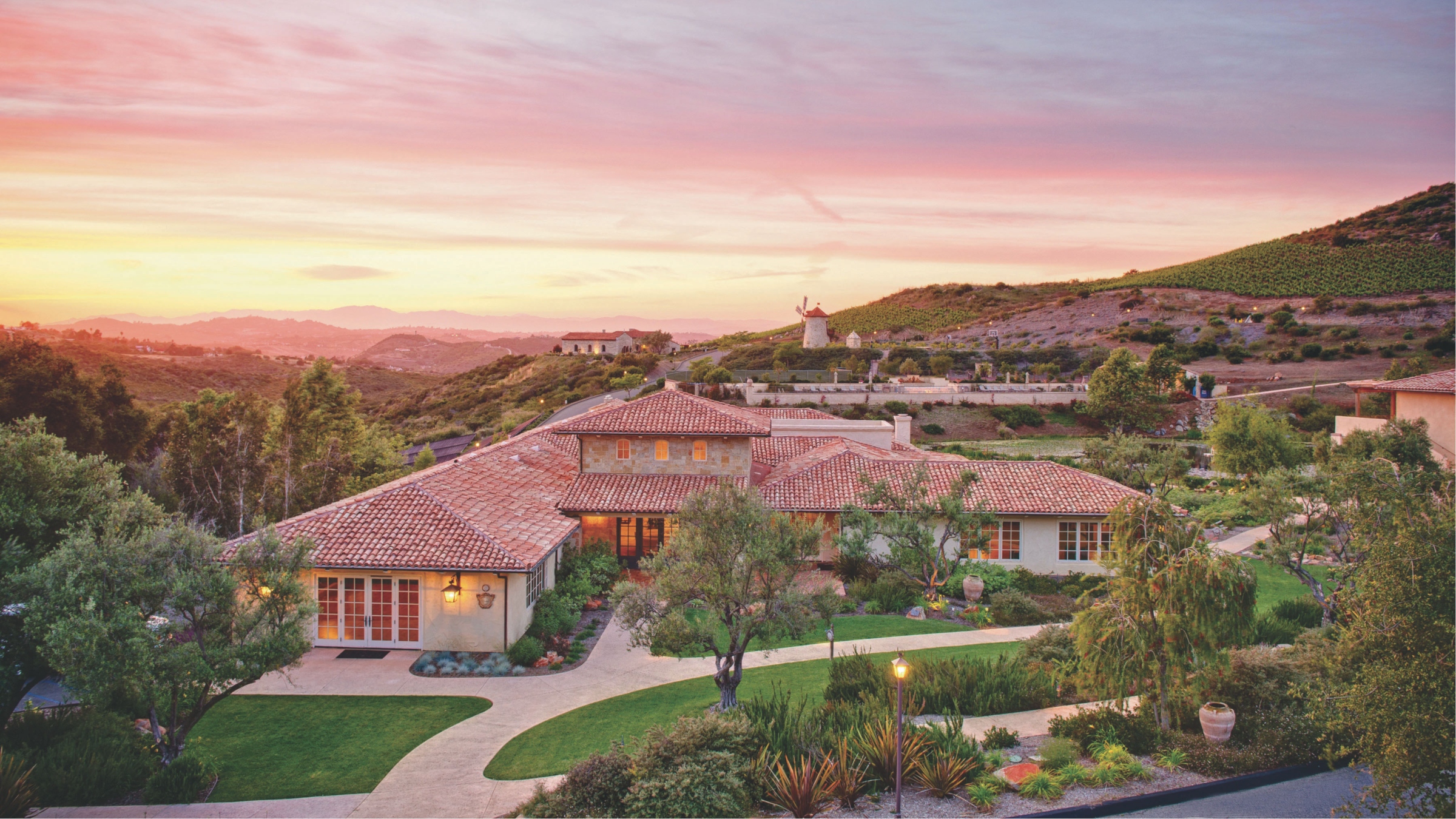
There is a particular kind of luxury that reveals itself not through extravagance, but through the feeling of having nowhere else to be. It is the quiet pleasure of a slow morning, the warmth of sunlight filtering through trees, the scent of fresh herbs in the air, and the rare opportunity to let the outside world continue without you. During a recent wellness escape in Southern California, I discovered a retreat that brought this philosophy to life through an unexpected source of inspiration: the understated elegance of a French countryside estate.
I had always associated California’s most desirable spas with expansive treatment menus, architectural swimming pools, polished interiors, and carefully curated wellness rituals. These places can be beautiful, restorative, and undeniably sophisticated. Yet this particular experience encouraged me to reconsider what a spa could be. Instead of placing luxury at the centre of every moment, it made space for something more personal: the art of slowing down.
The atmosphere felt less like checking into a conventional wellness resort and more like being welcomed into a private estate somewhere in Provence.
A Different Kind of Arrival
The experience began with a noticeable change in pace. Rather than the familiar energy of a busy hotel lobby, the setting encouraged a quieter arrival, one in which the surrounding landscape seemed as important as the accommodation itself.
French countryside estates have a distinctive visual language. Stone textures, natural materials, soft colours, mature gardens, and interiors that appear to have evolved over time create an atmosphere that feels both refined and lived in. Their appeal comes from a balance between beauty and ease, where elegance never seems to require an explanation.
That sensibility translated surprisingly well to Southern California.
The region has its own relationship with outdoor living, shaped by abundant sunshine, expansive landscapes, and a culture that often treats wellness as an essential part of everyday life. Yet the French-inspired approach introduced a different rhythm. Instead of filling the day with activities, it invited me to appreciate the spaces between them.
A walk through the grounds became an experience in itself. Sitting outdoors with a drink felt like a legitimate plan rather than a pause between appointments. Even the simple act of noticing the changing light seemed to carry greater significance.
It was an introduction to a more thoughtful interpretation of luxury, one built around how a place makes you feel rather than how much it offers.
The Architecture of Calm
The most memorable wellness environments understand that relaxation begins long before a treatment starts. Architecture, light, sound, and materials can influence the mood of a space, establishing a sense of comfort that makes it easier to disconnect from everyday demands.
The French estate aesthetic excels at this balance. Natural stone introduces texture, timber adds warmth, and understated furnishings allow the surrounding environment to remain part of the experience. Gardens and courtyards create visual continuity between indoor and outdoor spaces, while muted colours prevent the interiors from feeling overwhelming.
In Southern California, where contemporary architecture often celebrates glass, openness, and dramatic views, these softer details provide an appealing contrast.
The result is not a literal reproduction of a French château. It is an interpretation of the qualities that make the countryside feel restorative: a connection to nature, a sense of permanence, and an absence of unnecessary noise.
I began to realise that the most effective wellness design does not demand attention. It creates an environment in which attention can finally be directed inward.
Wellness Beyond the Treatment Room
Of course, a spa escape would be incomplete without the rituals that bring people through its doors. Massages, body treatments, facials, and hydrotherapy can all play an important role in creating a restorative experience. But what made this visit memorable was the way wellness extended beyond the treatment menu.
There was a sense that rest was not something to be scheduled into a narrow window of time. It was the principle around which the entire experience had been organised.
A treatment could be followed by a quiet moment in the garden. Time spent beside the pool did not need to be accompanied by a screen or a constant stream of notifications. A meal could become an opportunity to appreciate flavour, texture, and conversation rather than another item on an itinerary.
This broader approach reflects an important evolution in modern wellness. People increasingly seek experiences that address more than physical relaxation. They want environments that help them feel mentally refreshed, emotionally settled, and more connected to their surroundings.
No single spa can eliminate the pressures of everyday life, of course. But the right environment can create a valuable interruption, allowing the mind and body to move away from the familiar patterns of constant activity.
Sometimes, that interruption is precisely what is needed.
The Pleasure of Eating Well
Food is an essential part of the French countryside experience, and its influence was another element that shaped my understanding of the retreat.
The French approach to dining often places emphasis on quality ingredients, seasonality, presentation, and the pleasure of taking time over a meal. It recognises that eating is not simply a practical necessity but an experience that can bring people together and establish a rhythm to the day.
This philosophy feels especially relevant within a wellness setting.
Rather than treating food as something to compensate for or carefully calculate, a more thoughtful approach celebrates nourishment and enjoyment together. Fresh produce, balanced dishes, herbs, fruit, and ingredients that reflect the season can create meals that feel satisfying without becoming unnecessarily complicated.
There is also a certain elegance in restraint. A thoughtfully prepared dish does not need elaborate presentation to feel special. Sometimes, the appeal lies in the quality of the ingredients and the confidence to let them speak for themselves.
The broader lesson is that wellness need not be defined by rigid rules. It can also emerge through small, enjoyable choices that make everyday life feel more considered.
Southern California Meets the French Countryside
Perhaps the most interesting aspect of the experience was how naturally the two environments complemented one another.
Southern California has long been associated with a lifestyle that combines fitness, outdoor recreation, beauty, and an appreciation for personal wellbeing. From coastal walks to mountain escapes, the region offers countless ways to step away from the pace of city life.
The French countryside introduces a different cultural emphasis: the pleasure of lingering, the appreciation of craftsmanship, and the idea that ordinary moments deserve attention.
Together, these influences create an appealing vision of modern luxury.
The California setting provides openness, light, and a connection to the outdoors. The French-inspired aesthetic contributes warmth, intimacy, and a more relaxed understanding of sophistication. Neither needs to overpower the other.
For travellers who enjoy design-led hotels, thoughtful dining, and wellness experiences that feel personal rather than prescriptive, this combination offers a compelling alternative to the conventional spa weekend.
It is luxury with a softer edge, one that values atmosphere as much as amenities.
Learning to Do Less
The greatest surprise was how little I needed to do to appreciate the experience.
Modern travel often encourages us to maximise every hour. We arrive with lists of restaurants to visit, treatments to book, places to photograph, and experiences to complete. Even a wellness holiday can become another project to organise and optimise.
This retreat suggested a different possibility.
What if the most valuable part of a getaway were the hours that remained unplanned? What if a beautiful setting could be appreciated without documenting every detail? And what if doing less were not a failure to make the most of a destination, but the entire point of being there?
These questions stayed with me long after the visit.
The French countryside has long inspired the idea that a well-lived life is not necessarily the busiest one. Its enduring appeal comes partly from the sense that pleasure can be found in ordinary rituals: a morning walk, a carefully prepared meal, a conversation that lasts longer than expected.
Bringing that sensibility into a Southern California spa creates something more meaningful than a change of scenery. It offers a reminder that rest can be an active choice, one that requires us to give ourselves permission to slow down.
A New Definition of Luxury
By the end of the escape, my idea of a successful spa experience had changed. I still appreciated beautiful design, excellent treatments, and the comfort of an exceptional setting. But I had become more aware of the qualities that are difficult to measure: a sense of ease, an absence of pressure, and the freedom to experience a day without constantly thinking about what comes next.
The French countryside influence had not transformed Southern California into Provence. Instead, it had introduced a perspective that made the Californian setting feel different.
It reminded me that luxury does not always need to announce itself. Sometimes it appears in a quiet garden, a long lunch, a room filled with natural light, or an afternoon that passes without a single urgent obligation.
For anyone searching for a more thoughtful approach to wellness, that may be the most valuable discovery of all.
The best spa experiences do more than help us escape our routines. They remind us how we would like to feel when we return to them: calmer, more present, and more willing to make room for the things that matter.
And perhaps that is the real art of the French countryside, wherever it happens to be found.